


Yellowstone in Winter: How to Visit and What to Look Forward To

Written by Erin Hoppe Updated on 11/24/2026
Key Takeaways
- Visiting Yellowstone in winter means fewer crowds, the best wolf watching of the year, and steaming geyser basins framed by snow.
- The trade-offs include bitter cold, short days, limited services, and the added cost of oversnow travel.
- Only the road between the North and Northeast entrances stays open to cars, while most other roads open to snowcoaches and snowmobiles on December 15.
- Bozeman Yellowstone International Airport in Belgrade, Montana, is the closest major airport, about 90 minutes from the North Entrance and two hours from West Yellowstone.
- Guided snowcoach, snowmobile, wildlife, and ski tours are the easiest way to reach Old Faithful and the park's snowbound interior.
- Warm layers, traction aids, and plenty of distance from wildlife keep a winter visit safe.
Snow changes everything in Yellowstone. Bison plow through drifts with frost clinging to their beards, steam from the geyser basins hangs in the cold air, and the valleys go quiet in a way they never do in July.
Visiting Yellowstone in winter takes more planning than a summer trip, but the reward is a version of the park that most travelers never see.
Why Visit Yellowstone in Winter
Fewer Crowds
The summer traffic jams and packed boardwalks disappear once the snow arrives. Standing at a quiet pullout in Lamar Valley or watching Old Faithful erupt with only a handful of other people nearby is one of the biggest draws of Yellowstone in winter.
The Best Wolf Watching of the Year
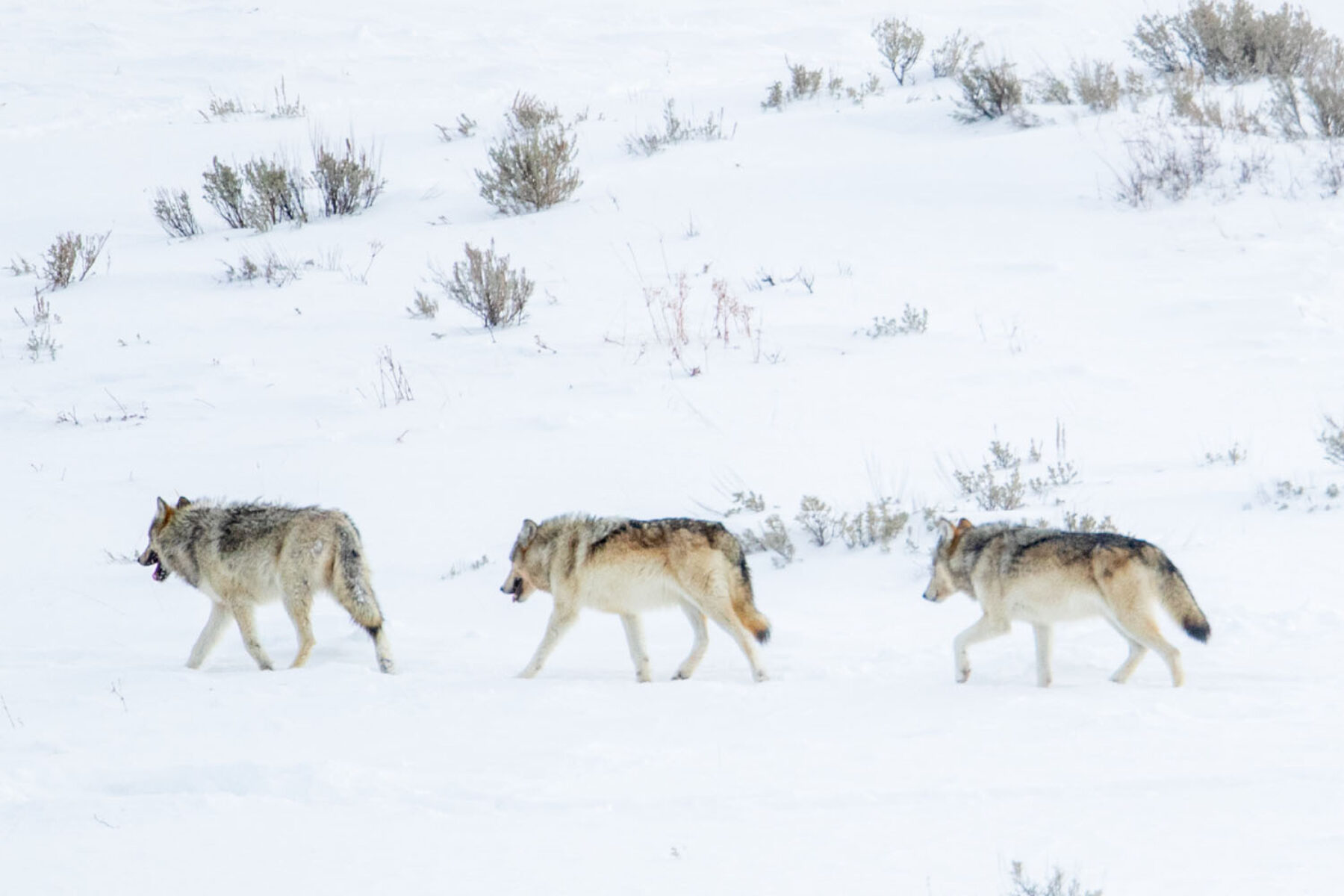
Winter is widely considered the top season for spotting gray wolves. Deep snow pushes elk and bison down to the lower elevations of the park's northern range, the wolves follow, and their dark coats stand out against the white landscape. Lamar Valley, sometimes called "America's Serengeti," is the place to be at first light.
Thermal Features at Their Most Dramatic
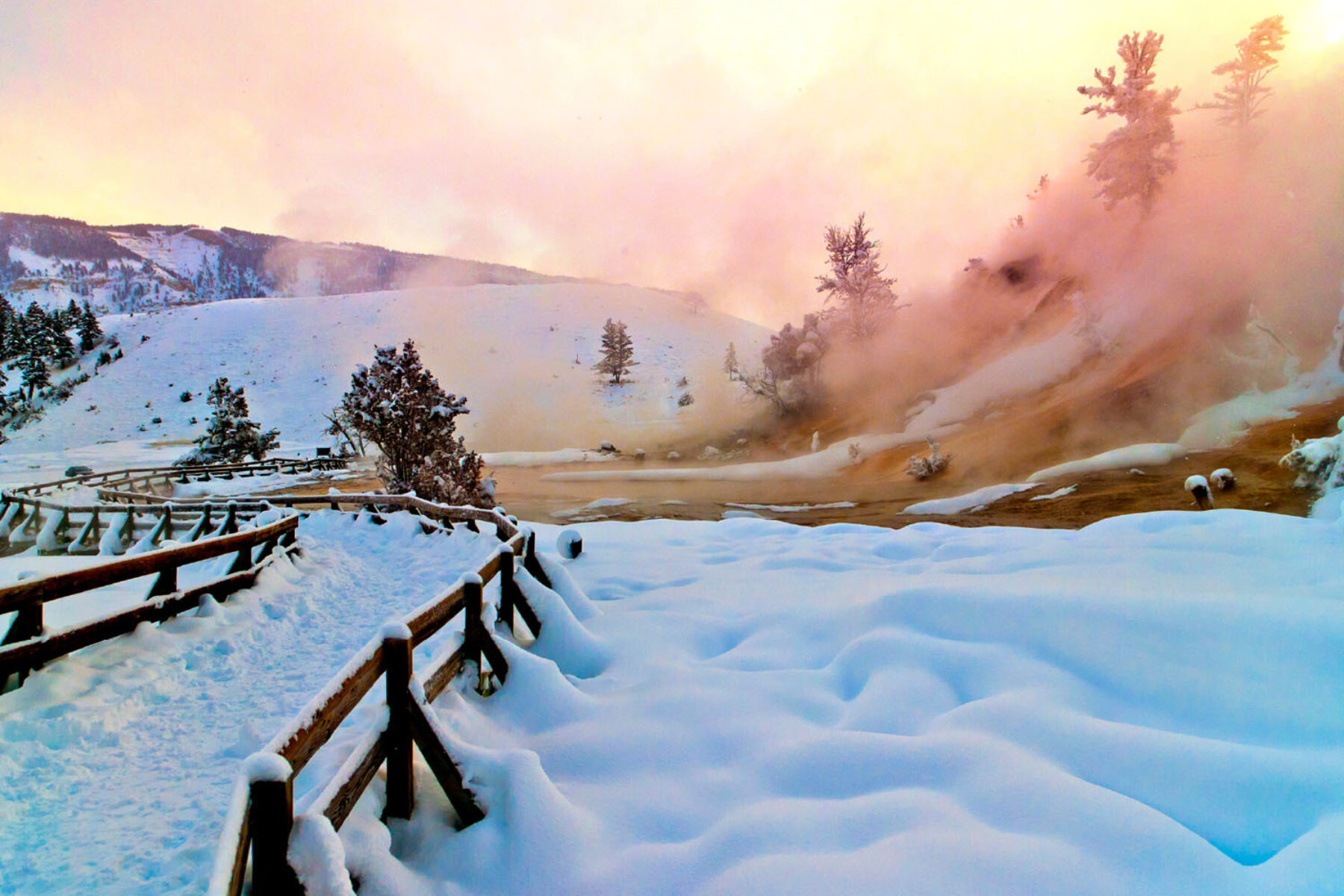
Cold air turns the steam from hot springs and geysers into towering white plumes. Trees near the geyser basins become coated in frost and ice, earning the nickname "ghost trees," and the whole scene feels otherworldly.
Winter Recreation
Cross-country skiing and snowshoeing open up a quieter way to explore, with trails near Mammoth Hot Springs and Old Faithful suited to a range of skill levels.
Off-Season Value
Winter hotel rates in gateway communities are often lower than in summer, which makes it easier to stretch a trip by a day or two. For more ways to save, see the guide to visiting Yellowstone on a budget.
The Challenges of Visiting Yellowstone in Winter
Limited Road Access
Most of the park is closed to regular vehicles from early November until spring, aside from the North Entrance, about 1.5 hours from Belgrade, which is open all year round. The Northeast Entrance is also open in the winter, but only until Cooke City, just outside the park. Reaching icons like Old Faithful and the Grand Canyon of the Yellowstone requires a snowcoach or snowmobile, usually via a guided tour.
Serious Cold
Daytime temperatures typically range from zero to 20 degrees Fahrenheit, and sub-zero temperatures are common at night and at higher elevations. Check the weather before heading out.
Short Days
Winter daylight is limited, so itineraries need to account for early sunsets and slower travel on snowy roads.
Limited Services
Most visitor centers, restaurants, stores, and gas stations inside the park close for the season. Planning ahead for food, fuel, and lodging is essential, and the park's operating dates page lists what's open and when.
Weather-Dependent Plans
Road closures can happen without notice due to storms or avalanche danger, and cell service is spotty at best. A flexible schedule is a must.
What's Open in Yellowstone in Winter
| Roads | The road connecting the North Entrance in Gardiner, Montana, and the Northeast Entrance near Cooke City, Montana, stays open to cars year-round, weather permitting. It passes Mammoth Hot Springs, Tower Junction, and Lamar Valley. Beyond Cooke City, the road is closed for the season, so this route is an out-and-back drive. The rest of the park's groomed roads open to oversnow travel on December 15, with most routes running until mid-March and a few closing in early March. |
| Visitor centers | The Albright Visitor Center at Mammoth Hot Springs is open year-round. The Old Faithful Visitor Education Center and the Canyon Visitor Education Center open for the winter season starting December 15. |
| Warming huts | Several warming huts and yurts open along the oversnow routes starting December 15, including spots at Old Faithful, Madison, West Thumb, Fishing Bridge, and Indian Creek. They offer a welcome break from the cold during long snowcoach or snowmobile days. |
| Food and supplies | The Mammoth Hot Springs General Store is open year-round (closed on major holidays), and dining is available at the in-park lodges during their winter seasons. |
How to Get to Yellowstone in Winter
Fly into Bozeman Yellowstone International Airport (BZN)
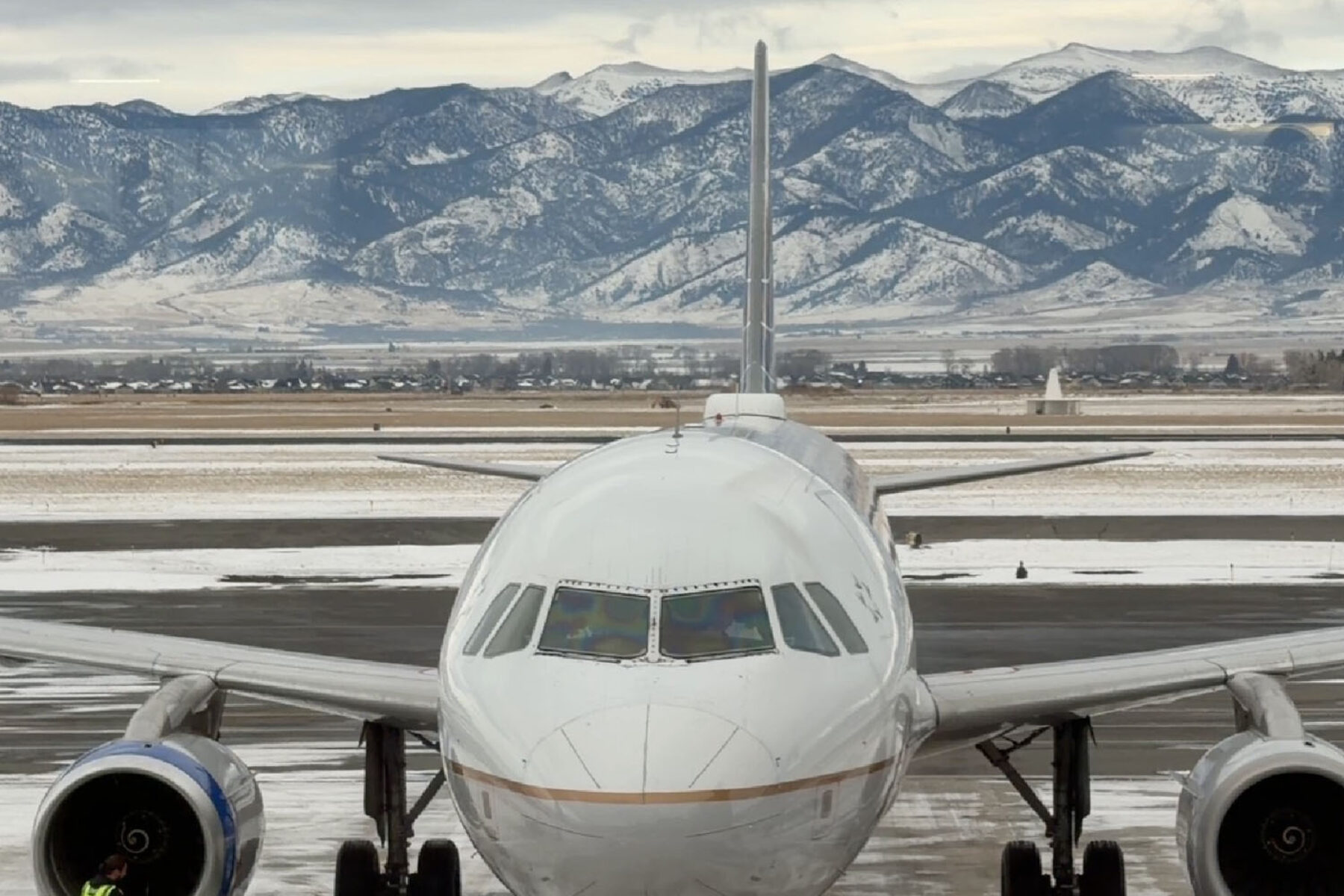
Located in Belgrade, Montana, BZN is typically the most convenient airport for a winter trip to Yellowstone. Rental cars are available right at the terminal. From there, you can drive to either the North or West Entrance of the park.
Drive to the North Entrance
From Belgrade, take I-90 east to Livingston, then follow US-89 south through Paradise Valley to Gardiner, Montana. This scenic drive takes about an hour and a half and leads directly to the park's only year-round road for cars.
Drive to the West Entrance
US-191 runs south through Gallatin Canyon to West Yellowstone, Montana, about two hours from Belgrade. Cars can't continue past the entrance in winter, but West Yellowstone is the hub for snowmobile and snowcoach tours into the park's interior.
Winter Driving Tips
A vehicle with all-wheel or four-wheel drive and good winter tires makes a big difference. Keep the gas tank full, pack blankets and cold-weather essentials, and check conditions before setting out. For Yellowstone road alerts, text "82190" to 888-777 or call the recorded road conditions line at (307) 344-2117. Montana's 511 system covers highway conditions outside the park.
Yellowstone Winter Tours
Snowcoach Tours
Snowcoaches are heated, oversized vans and buses built to travel on snow, and they're the most comfortable way to reach Old Faithful, the Grand Canyon of the Yellowstone, and Norris Geyser Basin in winter.
Guided Snowmobile Tours
For a more adventurous ride, guided snowmobile tours depart from West Yellowstone and other gateway communities. Guides handle navigation and safety while visitors take in geyser basins, rivers, and wildlife along the way.
Non-commercially Guided Snowmobiling
Experienced riders can apply for a permit through the park's Non-Commercially Guided Snowmobile Access Program, which opens with a lottery each summer. Cancellations come up throughout the winter, so it's worth checking for openings. All machines must meet the park's technology standards.
Wildlife and Wolf-watching Tours
Day tours from the Bozeman area head into Lamar Valley and Mammoth Hot Springs in heated vehicles, often with spotting scopes, binoculars, and hot drinks included. Local guides know where the packs have been active, which greatly improves the odds of a sighting. Many offer hotel pickup in the Gallatin Valley.
Ski and Snowshoe Tours
Guided cross-country ski and snowshoe outings, along with rentals and lessons, are available during the winter season.
Only authorized operators can lead tours in Yellowstone, and the National Park Service keeps a current list of authorized guides and outfitters on its website. Tours fill up, especially over the holidays, so booking early is a smart move.
What to See in Yellowstone in Winter
| Lamar Valley | The park's premier wildlife-watching destination is fully accessible by car in winter. Look for wolves, bison, elk, coyotes, foxes, and bighorn sheep, and bring binoculars or a spotting scope. |
| Mammoth Hot Springs | The travertine terraces look even more striking with snow framing the steaming formations, and the area is easy to reach from the North Entrance. |
| Old Faithful and the Upper Geyser Basin | Watching Old Faithful erupt into frigid air, with steam drifting across the snow, is a highlight of any winter trip. Snowcoach or snowmobile travel is required to get there. |
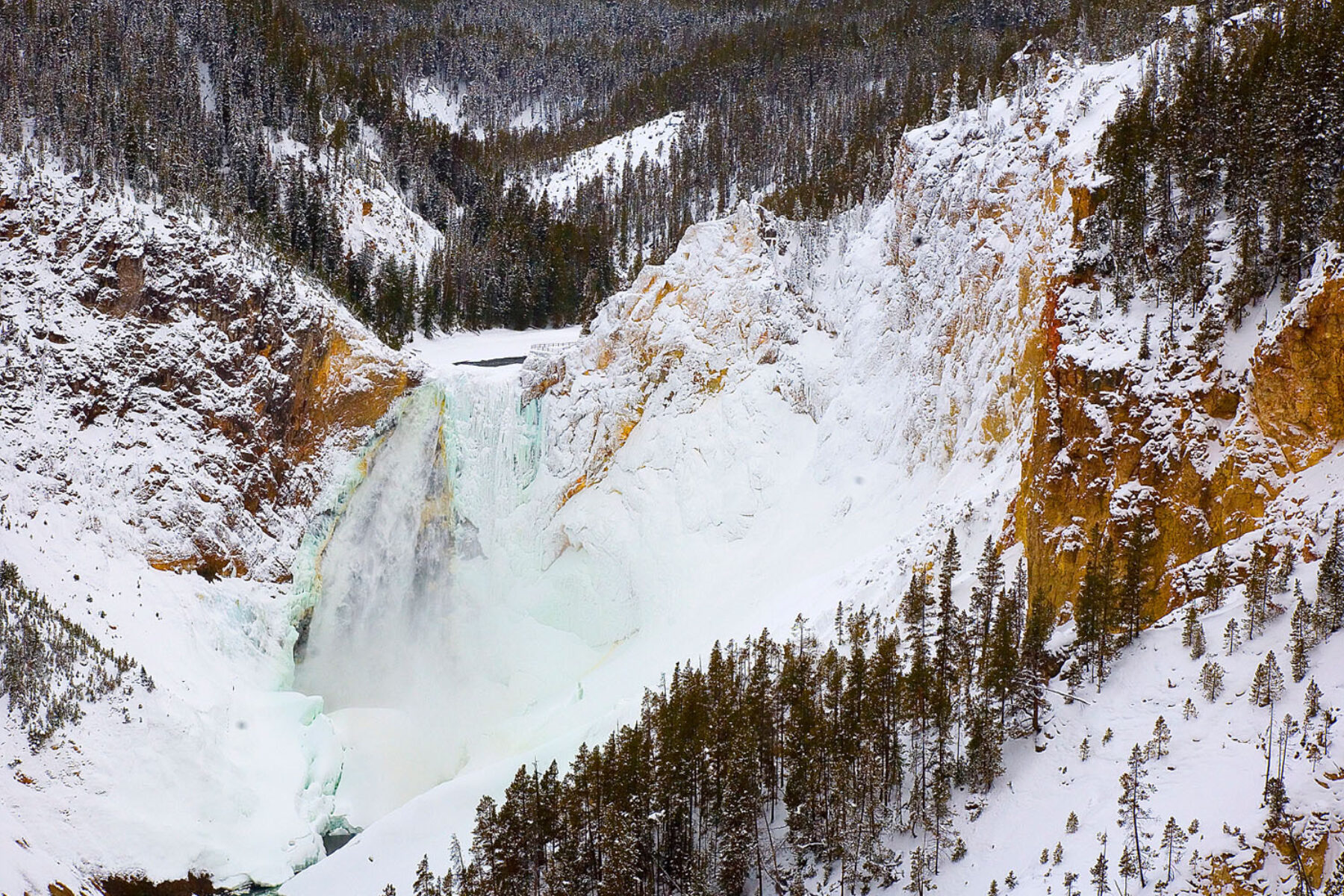
| Grand Canyon of the Yellowstone | In winter, ice builds up around the Lower Falls, and the snow-lined canyon walls make a stunning contrast with the yellow rock. |
| The Firehole and Madison rivers | Warmed by thermal runoff, these rivers stay open in winter and draw bison, elk, and trumpeter swans to their banks. |
Winter Safety Tips for Yellowstone
- Dress in warm, moisture-wicking layers and bring a hat, gloves, and insulated boots.
- Wear traction aids, like microspikes or Yaktrax, over footwear, since boardwalks can be icy, especially near thermal areas.
- Stay on boardwalks and designated trails in thermal areas at all times.
- Give wildlife plenty of room: at least 100 yards from wolves and bears, and 25 yards from bison, elk, and other animals. Animals always have the right of way on roads.
- Keep food and gear secured.
- Review the park's winter safety tips before setting out.
- Download the free National Park Service app and offline content before arriving, since cell service is limited.
Make Belgrade Your Basecamp for Yellowstone in Winter
Belgrade sits about 90 minutes from the North Entrance, two hours from the West Entrance, and is home to Bozeman Yellowstone International Airport, so travelers can land, pick up a rental car, and be settled in without a long drive on winter roads.
Ready to experience Yellowstone in winter? Lodging rates in Belgrade are typically lower than in resort towns, and many Belgrade hotels offer winter-friendly amenities like hot breakfasts, indoor pools, and easy parking. Start planning a trip to remember today!
Meet Erin Hoppe
As Executive Director of the Belgrade Chamber of Commerce, I’m honored to help support and celebrate our local businesses and community. I’ve been part of the Chamber for nearly six years, working in membership and events before stepping into this role in March 2025. Born and raised in Montana, I’ve called Belgrade home since 2005. When I’m not at the Chamber, I enjoy visiting our parks, shopping, grabbing a coffee at a local shop, and watching my kids’ sports over the years. My family and I are proud supporters of our schools, Panther athletics, and the many local programs that make Belgrade special.